No Adults on Stage
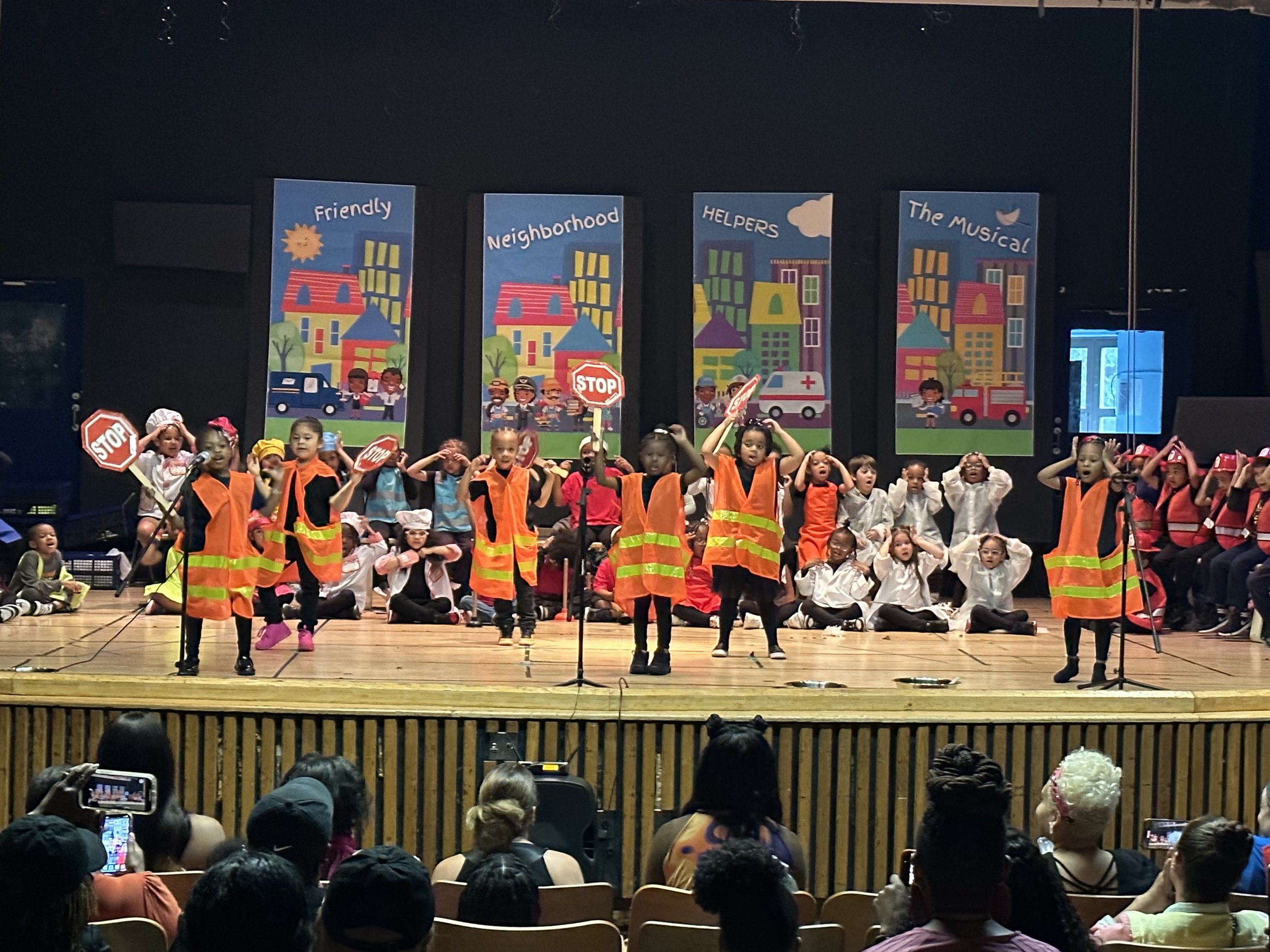
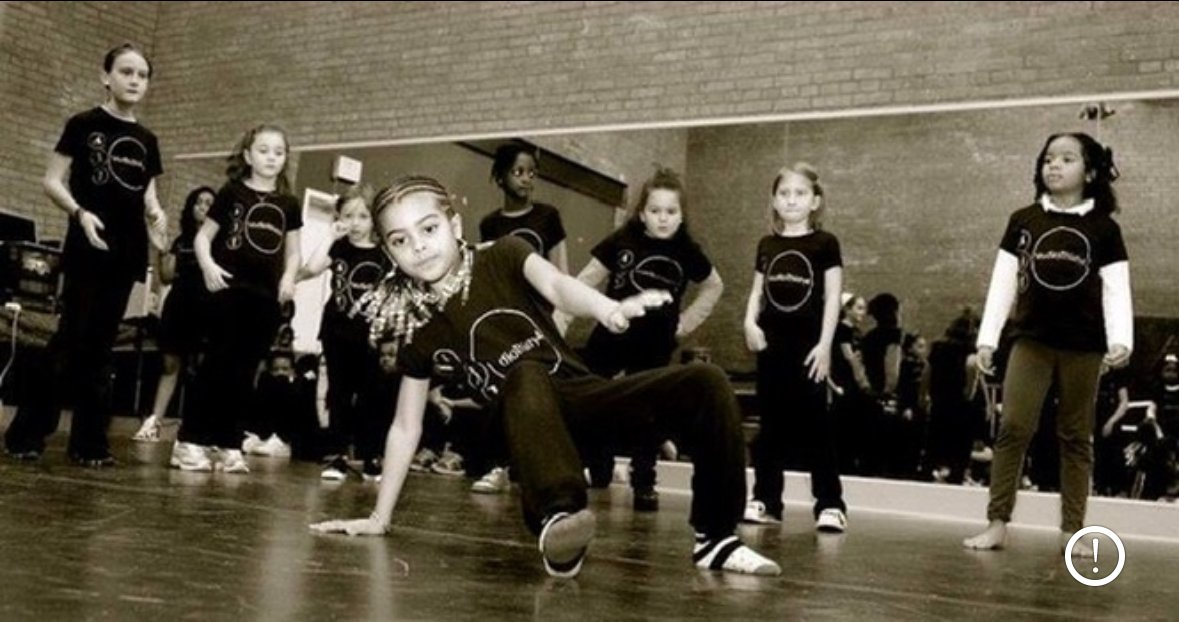
After a recent Brave Art show, a principal sent a message to a leader chat. He'd just watched a full-scale performance where every student in first through fourth grade performed in an interdisciplinary showcase of dance, art, and music. What stood out to him the most was the lack of adult interference. The entire performance was student-centered. No adult voices on stage, no prompting, no one standing in front of the kids conducting them through it. It was not just the quality of the work that impressed him, but the confidence behind it. This type of confidence doesn’t come magically, but from careful preparation. He watched kids push through their nerves and sink into the rhythm of the show. The pride they carried was palpable. He called it proof of what is possible when you don't put limits on what kids can do.
Planning Forward: Leading Arts and Athletics with Intention
A teacher grabs a folder and a lanyard from the sign-in table and finds a seat in the auditorium, or maybe it’s the cafeteria. You stand at the front with a launch deck. You have a theme. You have priorities. For the next seven to ten days, you will power through workshops on literacy strategy, data-driven instruction, school culture, and classroom management. The tone for the year will be set in this room. You crafted the year ahead in May and June in planning meetings, leadership retreats, and curriculum sessions. The shape of the year existed before a single teacher walked through the door. Academic teams have been planning and preparing throughout the summer. Coaching cycles have been mapped. Assessment windows are locked. The school improvement plan has goals and metrics, and action steps. This is your launch, and it’s personal.
The Art of The Walk-Through
Adeyemi Stembridge wrote that a classroom observation during the right fifteen minutes can make you look like a gifted talent, but the wrong fifteen minutes could have someone strategizing about how to counsel you out of the profession. We have built an entire system of observation and feedback grounded in the idea that you can assess a classroom, a lesson, and a teacher's instructional weaknesses through a brief window in time. In this model, you are taught that if you step in, observe closely, and know what to look for, you should be able to give the teacher a high-leverage feedback email that will push their practice by EOD.
The Intellectual Life of the Teaching Artist
Teaching artists are not teachers who also happen to make art. They came to education through their discipline. They trained in it, performed in it, made work in it, often sacrificed financially for it, and eventually chose to pass it on. Their relationship to their craft is personal, continuous, and evolving. They do not stop being artists when they walk into a school building. They carry years of accumulated thinking about their form, about movement, about composition, about aesthetics, about the cultural lineages their discipline lives inside.
Almost nobody asks them about any of it.
Access Is Not Equity in Arts Education
This is the conversation that arts education is not having loudly enough. The field has spent years fighting for access, and that fight was necessary and right. Students who had no arts programming needed it. Schools that had cut their arts budgets needed to restore them. And, the work is not finished. The presence of a program has been enough. But, access simply means a student has a seat in the room. Equity means what happens in that room is worth their time.
Journaling as Assessment in the Dance Classroom
I recently wrote about why I started journaling with my students and how I make it work inside a 45-minute dance class. If you missed that post, start there. This one is about something different. Assessment. Because once you stop treating journals as a reflection activity and start treating them as assessment, they become one of the most useful tools in the room.
Give a dancer a pencil
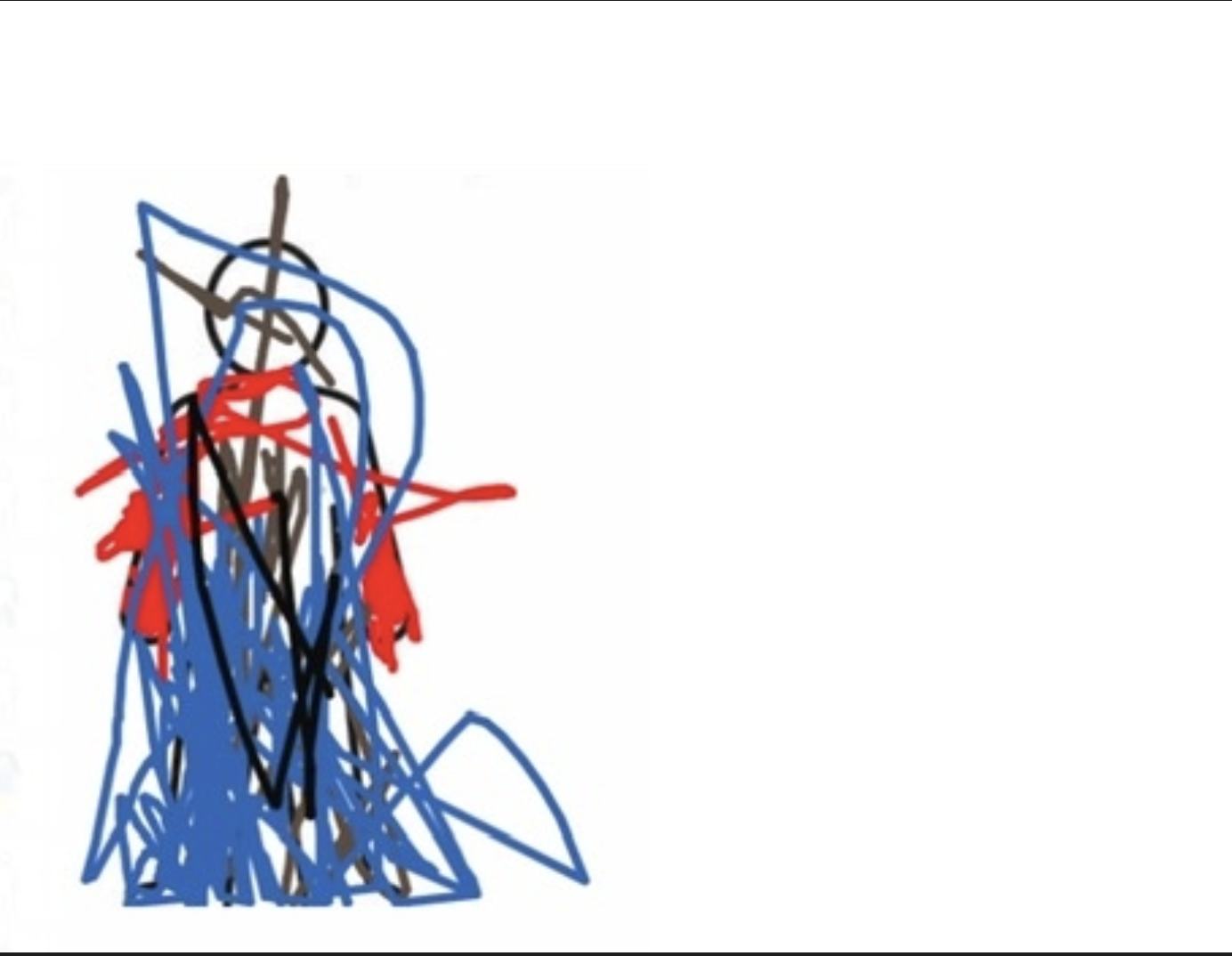
Most dance teachers I know don't journal with their students. They have 45 minutes. Maybe less. They’ve got a warm-up, an exploration, and choreography to power through. Journaling feels like borrowing time from movement, and movement is the whole point. But journaling does something in a dance class that talking and moving can't. It slows the experience down long enough for a kid to hear her own thinking.
5 Signs Your School's Arts Program Is in Crisis
(And What to Do About It)
Most school leaders do not set out to neglect the arts. It happens gradually. A budget gets cut here. A position goes unfilled there. Classes are shortened because testing season is coming. Before long, what was once a thriving part of school culture becomes an afterthought, and nobody quite knows how it got there.
The tricky part is that arts programs rarely announce when they are in trouble. There is no failing score, no benchmark data, no red flag on a dashboard. The warning signs are subtler, and if you are not looking for them, they are easy to miss.
Here are five signs your school's arts program may be in crisis and what you can do about it.
What Makes Great Arts Curriculum?
Writing curriculum in the arts is an act of vision. It is not just about aligning to standards or filling time with projects—it is about crafting meaningful, layered experiences that allow students to discover who they are, what they see, and how they move through the world. As educators, artists, and curriculum designers, we often find ourselves at the intersection of creativity, structure, and purpose. Across schools, districts, and creative communities, we have seen a wide range of approaches to building arts curriculum. Through that collective experience, certain patterns emerge—both bright spots and areas that need more intention.
Here are six core lessons that consistently rise to the surface when we reflect on what truly makes arts curriculum impactful, inclusive, and transformative.
Harvard Project Zero
Harvard Project Zero (PZ) is a research center at the Harvard Graduate School of Education that explores learning, thinking, and creativity across various disciplines, with a strong focus on arts education and assessment. Founded in 1967 by philosopher Nelson Goodman, PZ initially sought to understand how the arts contribute to cognitive development and later expanded its research to include broader themes in education.
Bridging the Gap: Helping School Leaders Assess and Strengthen Their Arts & Enrichment Programs
Too often, school leaders struggle to effectively assess the quality of their arts and enrichment programs. Unlike math or reading, where standardized test scores provide clear metrics (for better or worse), arts education requires a different approach—one that acknowledges both qualitative and quantitative measures of success.
At Brave Art NYC, we help school leaders build competency in evaluating their arts programs, setting meaningful goals, and providing arts educators with the support and accountability they need to grow and thrive.
Hiring The Right Arts Educators FOr Your Program
Hiring the right arts educators for your program is a critical decision that impacts not only student learning but also the overall culture and sustainability of arts education. While many assume that an "arts teacher" is a singular role, there is a distinct difference between teaching artists, artist-educators, and certified arts teachers. Each category brings unique strengths, experiences, and perspectives to arts education. Understanding these distinctions—and the pros and cons of each—will help you make informed hiring decisions that align with your program’s goals.
Why Arts Educators Need Differentiated, Content-Specific Professional Development
If you ask any arts educator about the professional development (PD) sessions they’ve attended, chances are they’ll tell you about workshops designed for general classroom teachers. Sessions on lesson planning, formative assessments, or literacy strategies may have value, but they rarely address the realities of teaching dance, theater, music, or visual arts. More often than not, arts educators leave these sessions frustrated, knowing they just spent hours in a training that does little to improve their craft or their students' experience.
Using Your Arts Program To Drive School Culture
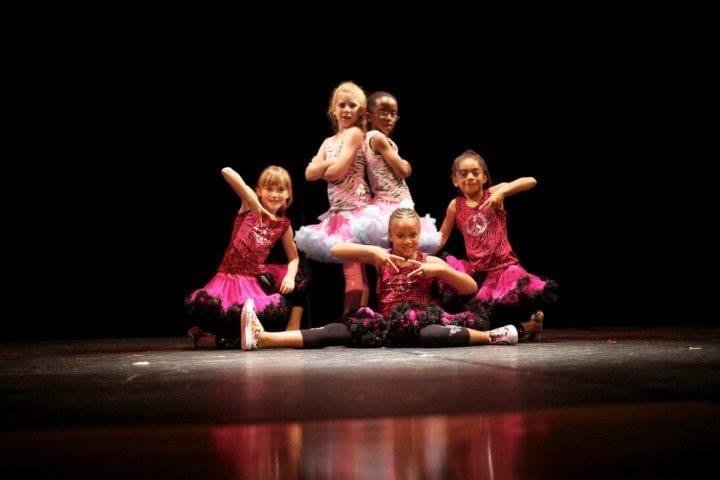
In the evolving landscape of education, the arts remain a critical component in self-discovery, cultural engagement, and intellectual growth. For young learners, the ability to conceive of themselves as artists is not a passive designation—it is an essential framework through which they develop agency, confidence, and a lifelong appreciation for creative expression. This post explores the necessity of fostering artistic identity in students and the role that educators, school leaders, and institutions play in shaping a culture where children see themselves as creators.
Nurturing Young Creators: Fostering Artistic Identity in the Classroom
In the evolving landscape of education, the arts remain a critical component in self-discovery, cultural engagement, and intellectual growth. For young learners, the ability to conceive of themselves as artists is not a passive designation—it is an essential framework through which they develop agency, confidence, and a lifelong appreciation for creative expression. This post explores the necessity of fostering artistic identity in students and the role that educators, school leaders, and institutions play in shaping a culture where children see themselves as creators.
Protecting The Arts, Protecting Our Kids
The world around our students is shifting in ways that challenge their sense of security, identity, and self-expression. As educators, artists, and advocates, we are in protect mode—ensuring that our children have spaces where they can move, create, and be fully seen.
-
TEACHNG ARTISTS
Brave Art Pedagogy and Practice is for those who refuse to teach on autopilot—who know that arts education is more than technique; it’s a vehicle for transformation. If you’re looking for inspiration, strategies, and a community that values the arts as a tool for justice, empowerment, and radical creativity, you’re in the right place. Here, we challenge outdated norms, amplify culturally responsive practices, and build programs that don’t just teach art but ignite communities.
-
SCHOOL LEADERS
If you’re ready to move beyond the status quo and cultivate an arts program that is dynamic, culturally responsive, and truly transformative, you’re in the right place. We offer the tools, frameworks, and critical insights you need to develop teachers, strengthen curriculum, and elevate your program to reflect the power of the arts as a force for learning, identity, and justice. Whether you're evaluating your current program or building something new, we provide the guidance to ensure the arts are not just present—but central, thriving, and revolutionary in your school. Let’s reimagine what’s possible-together.
-
Funders
Our platform connects you with visionary school leaders and teaching artists who are revolutionizing arts education, ensuring that creativity isn’t just supported but woven into the fabric of learning, equity, and cultural empowerment. Here, you’ll find the tools to evaluate programs, identify bold and effective leadership, and fund initiatives that don’t just survive but thrive. If you believe in the arts as a force for change, let’s ensure your dollars go where they will make the deepest, most lasting impact.